Services

Assessment

A detailed, comprehensive assessment will be undertaken by your physiotherapist, involving history taking and physical examination. The assessment will ascertain:


  1. The current pathology.
  2. The probable cause of the condition.
  3. Contributing factors that may affect recovery.


After the assessment your physiotherapist will discuss with you the diagnosis, treatment required, expected outcome and indicate the likely number of sessions you require. If necessary a referral to an appropriate medical professional will be arranged for you.

Book an Appointment

Treatment

The second stage involves your treatment. Forde clinic approach to treatment is centred around manual therapy. Manual therapy involves the mobilisation and manipulation of joints, nerves and muscles.


This allows us to correct postural dysfunctions and movement abnormalities facilitating early healing. Your physiotherapist may ask you to maintain these corrections by performing simple exercises at home or work.

Book an Appointment

Rehabilitation & Prevention

The aim of this third and final stage is to prevent recurrence by addressing the contributing factors to your injury or condition. Your physical therapist will design a specific programme of exercises for you to improve muscle function and maximise your body's potential.


By completing this rehabilitation programme you will be encouraged towards independent self management of your condition.


Advice on training programmes and office ergonomics will be given by your physical therapist when appropriate.

Book an Appointment

Conditions Treated

We treat a wide range of conditions across all age groups. The following is just a brief overview of some of the conditions that we treat. If you are unsure as to whether your condition is treatable by us, please contact us.
  • Musculoskeletal Conditions

    Musculoskeletal complaints include the muscles or associated soft tissues of the skeletal system such as tendons, ligaments and nerves.


    Some common musculoskeletal conditions that we treat at the clinic include:


    • Low back pain
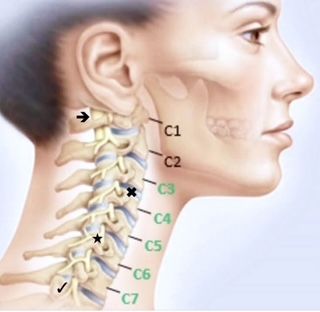
    • Neck pain
    • Muscle Spasm
    • Postural conditions
    • Sciatica
    • Whiplash
    • Trapped Nerves
    • Prolapsed discs
    • Facet joint dysfunction
    • Rotator Cuff injuries
    • Cervicogenic Headaches
    • Bursitis
    • Carpal Tunnel Syndrome
    • Impingement Syndromes 
  • Sports Injuries

    Some common sports injuries that we treat at the clinic include:


    • Ankle sprains
    • Hamstring strains and ruptures
    • Achilles tendonitis
    • Shin splints
    • Stress Fractures
    • Groin injuries
    • Jumpers knee
    • Osteitis pubis
    • Dislocated shoulders
    • ACL tears
    • Meniscal injuries
    • MCL/LCL tears
    • Patellofemoral syndrome
    • Tennis Elbow
    • Bursitis 
  • Biomechanical Conditions

    Biomechanics refers to the analysis of human movement and how the human body is affected by external forces


    Our physiotherapists are trained in biomechanical correction, that relate to mal-alignments throughout the body that can give rise to injuries such as:


    • Foot Pain (e.g. Plantar fasciitis, heel pain, arch pain, metatarsalgia, bunions)
    • Calf strains
    • Shin splints
    • Achilles tendonitis
    • Knee pain
    • Low back pain
  • Slide title

    Write your caption here
    Button
  • Slide title

    Write your caption here
    Button

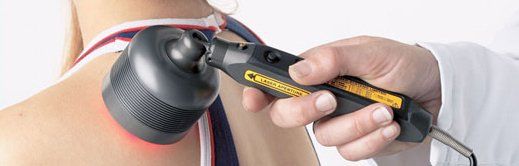
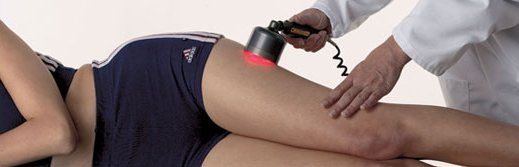
Therapeutic lasers are also effectively used on trigger points in musculoskeletal treatments and can provide drug-free pain relief, being of particular aid in the treatment of arthritic conditions and neuralgic pain

Lasers in Physical Therapy

At the Forde Clinic we has being using omega laser for some time and have found it excellent at speeding up the bodies natural healing properties.


Optimising soft tissue repair and providing pain relief, laser therapy is a well-used modality for those disciplines focused on physical therapy. Both acute and chronic conditions can be treated successfully.


As always, accurate diagnosis is important to ensure identification of the most appropriate treatment protocols. The principles of setting wavelengths, energy density, pulsing rates and frequency of treatment are straightforward once the condition and objective is understood. Low Level Laser can work synergistically with manipulation and has fewer contraindications than ultrasound therapy - with LLLT the clinician can treat over plates, pins and patients with pacemakers.


Healed tissue which has been treated with laser has been shown to have improved quality and tensile strength, thus minimising adhesions and scarring. Even pre-existing scar tissue has shown improvement after laser treatment.

  • Example applications for physical therapists are:

    • Arthritic conditions
    • Tendonitis
    • Epicondilitis
    • Carpel Tunnel Syndrome
    • Neuralgic Pain
  • Arthritic Conditions

    Laser therapy delivers pain-relief and addresses the inflammation in arthritic conditions.


    With Rheumatoid arthritis, laser therapy influences small joints directly and large joints indirectly. It strengthens the antiphlogistic processes and depresses the autoimmune response. The effects in the early stages of the condition can be impressive, but with chronic conditions, although pain is eased on treatment, longer treatment courses measured in months are necessary in order to make a substantive differences to the condition. It has been reported that 6 months can be a turning point. It also appears that adding laser therapy to prescribed medication gives improved results over medication alone.


    With gout, attacks can be curtailed and the symptoms reduced. Laser therapy inhibits inflammation, eases pain, reduces swelling and joint tenderness.


    In cases of osteoarthritis, laser therapy may slow down the degenerative process as well as ease acute symptoms. In the case of large joints such as the hip joint, the therapeutic effects of laser are brought on by an improvement and strengthening of the surrounding tissues. Laser therapy activates the microcirculation and the metabolism, prevents oedema and triggers anti-inflammatory processes in the synovial membrane.

  • Clinical Applications Overview

    Laser therapy is effective across a wide range of conditions and therefore used in a variety of health care and veterinary disciplines. There is consequently a large body of research to be found on the clinical effects of low level laser both in vitro and in vivo. This is spread across many fields and many nations, with work from Russia, Israel, Italy, Spain Japan, Denmark and Australia amongst others.


    In the UK, a large volume of controlled research has been carried out in centres of excellence such as Guy's Hospital Tissue Repair Unit, Oxford University, Ulster University, Cambridge Military Hospitaland Northampton School of Podiatry.

Orthotic Therapy & Gaitscan Assessment

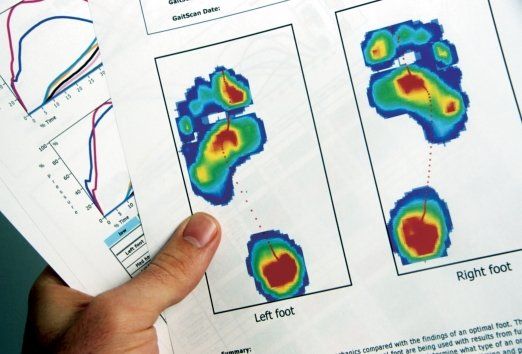
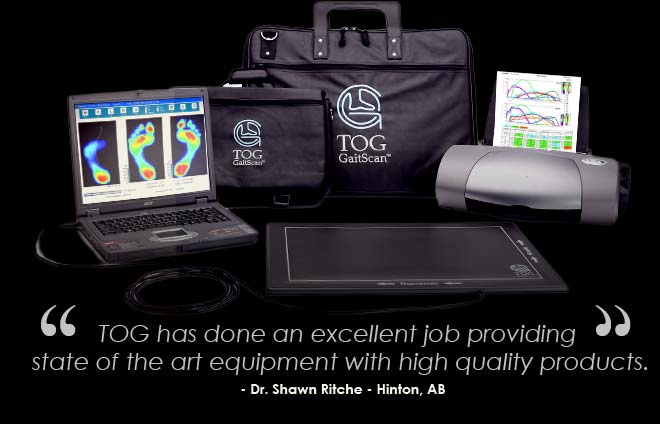
The TOG GaitScan™ is an innovative diagnostic tool and digital casting device that allows practitioners to analyze patient biomechanics and order custom orthotic products. With 4096 sensors and a scan rate of 300 frames per second, GaitScan™ is the industry leader in dynamic scanning capabilities.


What does this mean for you? A new, in-depth method of assessing your gait cycle with a dynamic scan gives your health care provider access to a wealth of information that cannot be obtained with the naked eye. Over a million points of data are recorded, tracking minor flaws in your biomechanics and shedding light on issues that if left untreated, could develop into painful conditions over time.


The TOG GaitScan™ is a valuable education tool that provides practitioners with a comprehensive biomechanical analysis for each patient as well as clear, concise images to assess and articulate the need for orthotic therapy. ï»¿
  • Slide title

    Write your caption here
    Button
  • Slide title

    Write your caption here
    Button

For more information please visit www.tog.com
  • Slide title

    Write your caption here
    Button
  • Slide title

    Write your caption here
    Button

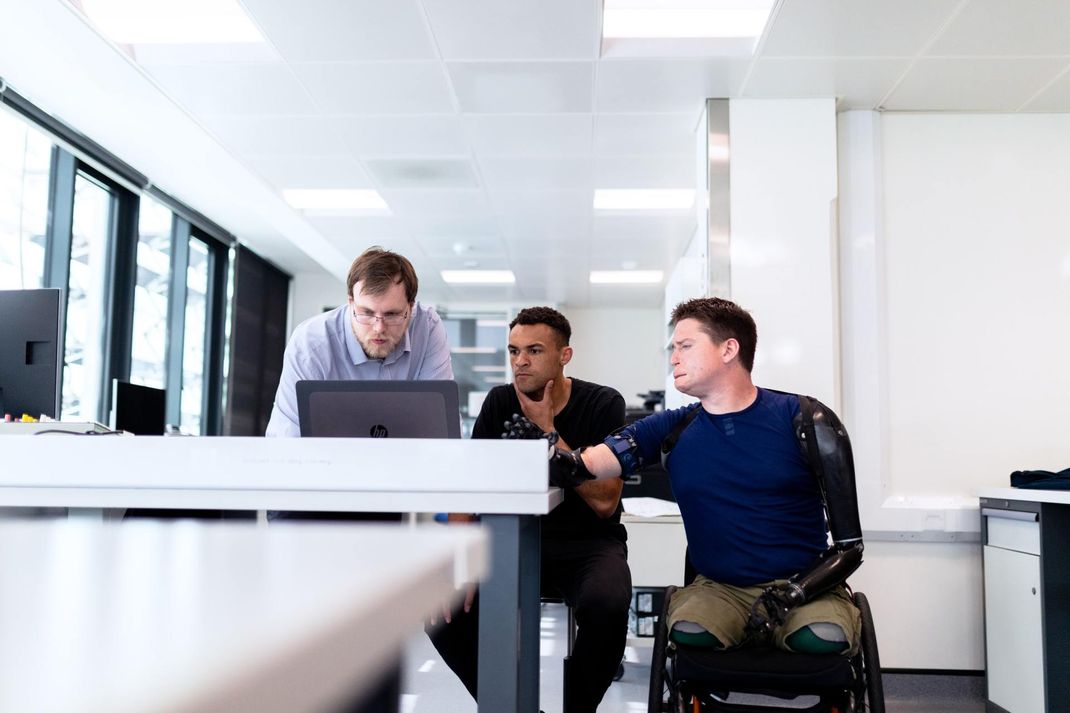
Many companies spend thousands of € on maintenance of machinery. Why not look after your staff maintenance.

On-Site Corporate Wellbeing

At last, a reward that can be enjoyed by everyone at your company...


Are you looking for a way to thank your staff for their hard work? 

Perhaps you want to draw the crowds to your exhibition stand or really impress at your next conference.


We have just finished a wellness week with KPMG in their headquarters in Stoke Place, IFSC, and their regional offices in Belfast, Cork and Galway. We treated over 1000 staff over two weeks.


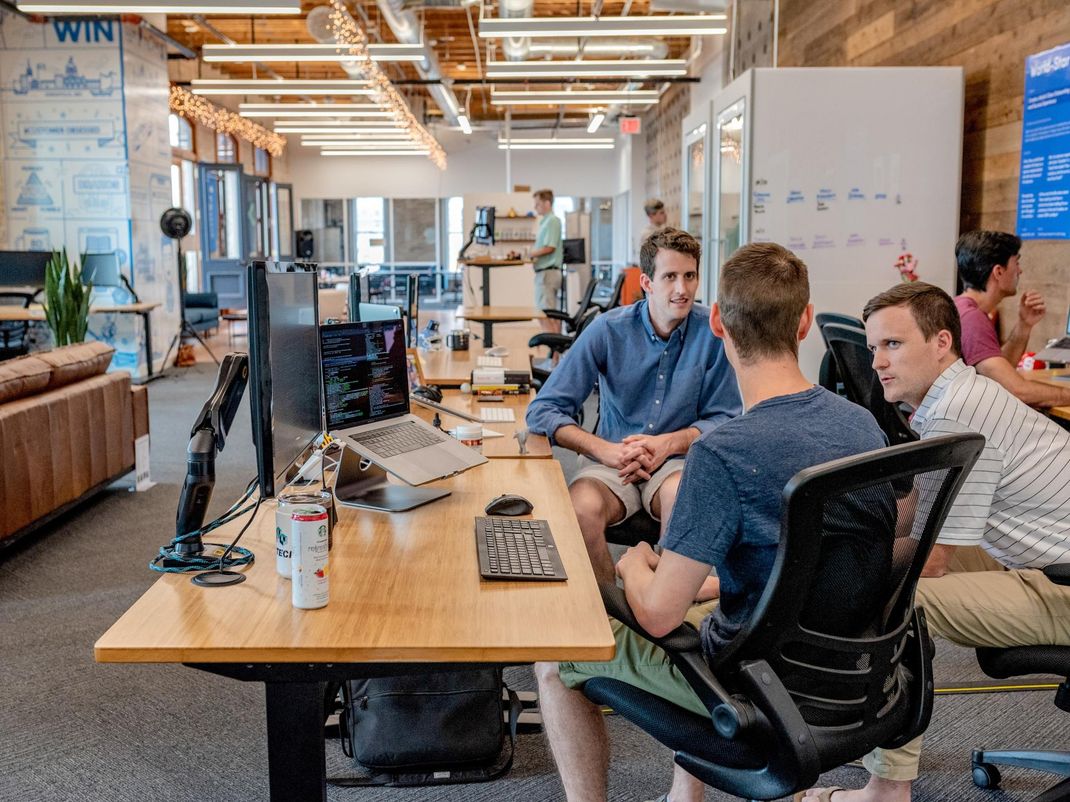
On-site Physical Therapy is fast becoming recognized as a major incentive for staff in forward thinking companies- after all; your staffs are your number one asset so it pays tolook after them.


As part of our work we visit large companies and treat their staff on site. Due to the nature of work people are sitting longer at their desks in front of their computers without taking regular breaks. I have found over the last few years people presenting themselves at my clinic with postural overload. Shoulder pain, Back pain, Headache, Lower Back pain etc.

  • How would this type of treatment help your staff?

    1. Staff members would be pain free.
    2. Less absenteeism.
    3. Productivity would increase.
    4. Staff members would experience a feeling of well-being.
    5. Staff are not taken away from there place of work

    Companies who use our service report a positive lift in atmosphere in the work place and an increase in productivity for several days after the treatment. Staff feels valued and employee retention is improved.


    1. On-site physical therapy in your office.  We travel to you!  Treatments at your work location from 20 minutes per person.
    2. On-site treatment for your clients.  We provide on-site treatment for your chosen clients - an alternative and unusual gift.
    3. On-site physical therapy at your exhibition/event/trade show.  If you are organizing an event, we can attract customers to your stand for short treatments while representing your company.
  • What would this treatment involve?

    All we would need is a private space office or boardroom. Staff would be given a time to come to the room, treatment would last for 15-20 minutes. If further treatment is needed we can arrange for employee’s to come to our clinic for treatment in there own time.  A corporate package could be arranged for staff.


    Note: Your HR Department do not have to book employee in for appointments. We do that for you using an appointment plus software. We give you an e-mail address to mail to all staff and the system looks after all the appointments. Freeing up your time.

Spinal Decompression

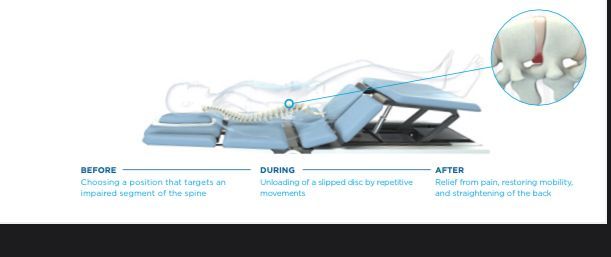
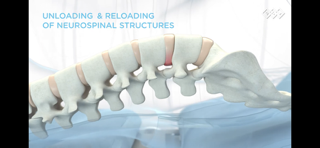
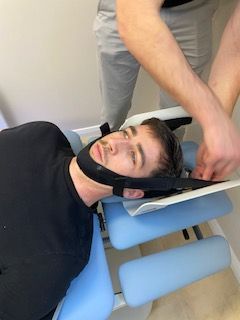
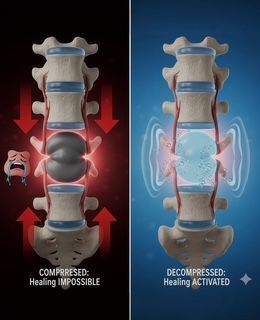
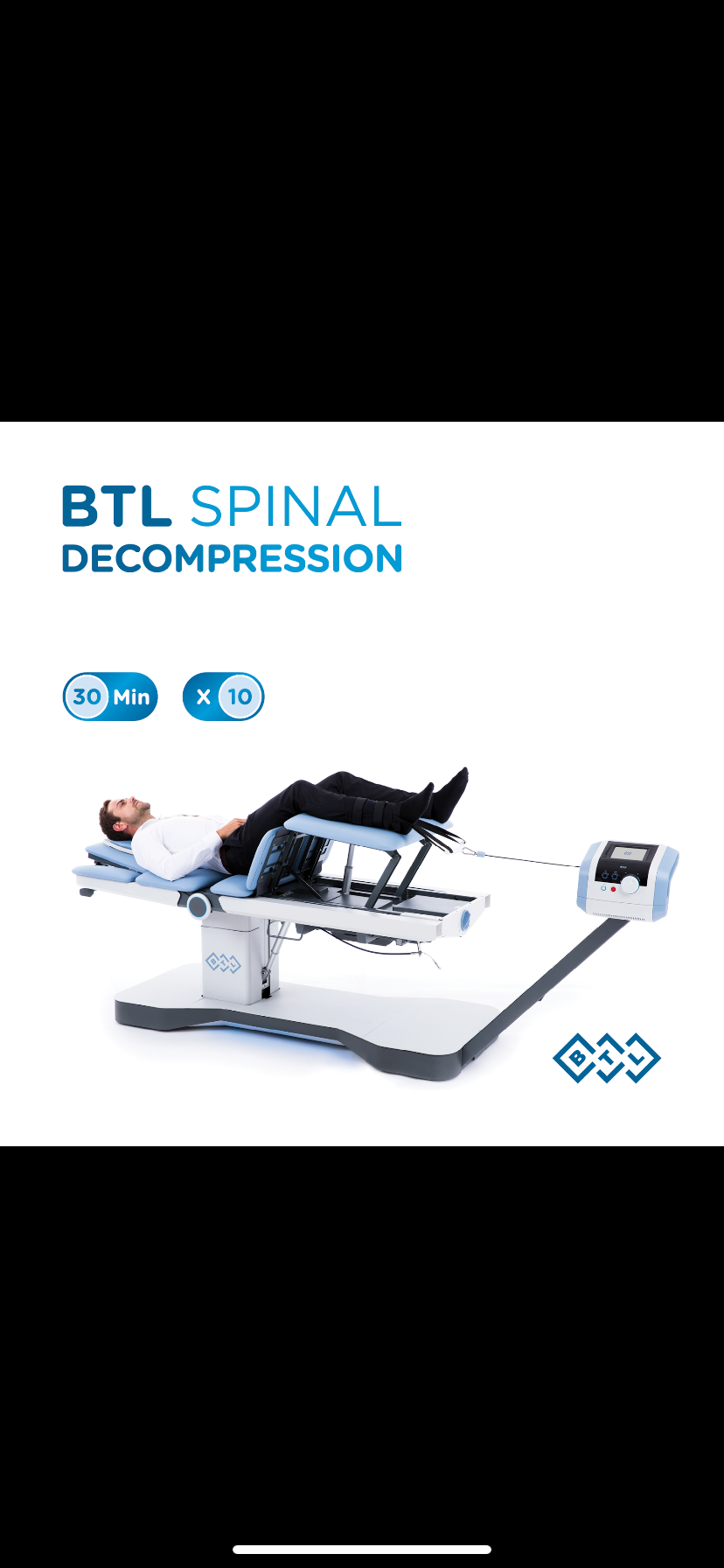
Nonsurgical spinal decompression is a form of motorized traction designed to relieve back pain and improve spinal health.


The procedure involves a mechanized table that slowly stretches the spine, reducing pressure on the vertebrae and discs. This technique fosters better circulation to the area, often accelerating healing and reducing inflammation. Treatment sessions typically last 30 to 45 minutes. Patients often commit to multiple appointments over several weeks.


No incisions, anesthesia, or downtime are required, making it convenient for many.
  • Slide title

    Write your caption here
    Button
  • Slide title

    Write your caption here
    Button
  • Slide title

    Write your caption here
    Button
  • Slide title

    Write your caption here
    Button
  • Slide title

    Write your caption here
    Button
  • Slide title

    Write your caption here
    Button
  • Slide title

    Write your caption here
    Button
  • Slide title

    Write your caption here
    Button
  • Slide title

    Write your caption here
    Button
  • What Is Nonsurgical Spinal Decompression?

    Nonsurgical spinal decompression is a form of motorized traction designed to relieve back pain and improve spinal health. The procedure involves a mechanized table that slowly stretches the spine, reducing pressure on the vertebrae and discs. This technique fosters better circulation to the area, often accelerating healing and reducing inflammation. Treatment sessions typically last 30 to 45 minutes. Patients often commit to multiple appointments over several weeks. No incisions, anesthesia, or downtime are required, making it convenient for many.
  • How Does Spinal Decompression Therapy Work?

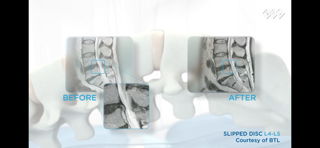
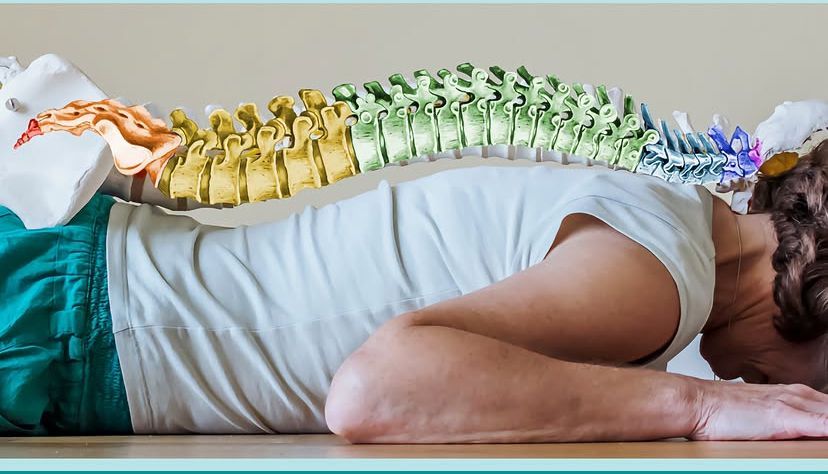
    Spinal decompression therapy creates negative pressure within the spinal discs. By gently pulling the spine, these suction-like forces allow bulging or herniated discs to retract, reducing compression on surrounding nerves. Improved fluid transfer to the spine further helps nourish the discs and accelerate recovery. Conditions commonly addressed by this method include:


    - Herniated discs

    - Sciatica

    - Degenerative disc disease

    - Facet joint syndrome

    - Compressed nerve relief

  • Benefits & Limitations of Nonsurgical Treatment

    Understanding the advantages and constraints of nonsurgical spinal decompression therapy can help patients make informed decisions.  


    Benefits:

    - Non-invasive approach leads to minimal risk.

    - Provides relief for specific back issues like herniated discs.

    - Avoids complications of surgery, such as infection or long recovery times.


    Limitations:

    - Not suitable for everyone, including patients with fractures, tumors, or advanced osteoporosis.

    - Might not provide lasting relief for more severe conditions that require surgery.

    - Multiple sessions can make the process lengthy and costly.

  • Exploring Back Pain Relief Options

    In the search for back pain relief, understanding your unique condition is critical. Nonsurgical spinal decompression is an excellent option to explore, but it thrives as part of a comprehensive care plan. Physical therapy, lifestyle adjustments, and regular exercise often complement its benefits.

You Don’t Have to Live With Pain

Whether your pain is recent or long-standing, we’re here to help you restore movement, reduce discomfort, and regain your quality of life.